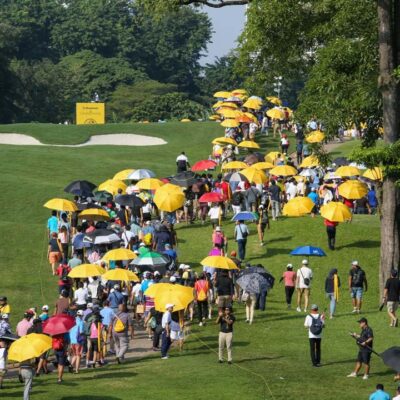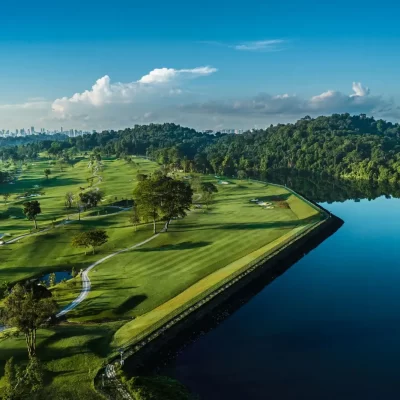

Golf in Singapore has long occupied an ambiguous place — a sport of prestige, a retreat from urban life, a test of patience and precision. But in recent years, the green canvas itself is disappearing. With several courses slated for closure, the question looms: how many golf courses have closed (or are closing) in the past two years, and what does this mean for the sport’s future in Singapore — especially for newcomers?
The Vanishing Greens: What’s Actually Happening
Strictly speaking, as of 2025, very few courses have already been shuttered in the past two years. Rather, Singapore is in the midst of a planned contraction of golf land over the coming decade.
Here’s a snapshot of the situation:
-
In June 2024, Marina Bay Golf Course, one of the public courses, closed due to impending lease expiry.
-
The Champions Public Golf Course also ceased operations recently.
-
Meanwhile, the Mandai Executive Golf Course — the last remaining public 9-hole course — currently has an extended tenancy until December 2026, but thereafter it is slated for closure.
-
Beyond that, six major courses have leases that will not be renewed by 2035, including Warren Golf & Country Club, Orchid Country Club, Keppel Club’s Sime Course, SICC Bukit Course, Tanah Merah Country Club (Garden Course), and Mandai.
-
Under current plans, Singapore’s golf landscape will shrink from about 16 courses now to 12 courses by 2035.
So while the “closures” in the strict past two years are few, the trajectory is very clear: contraction is underway, with public access especially at risk.
Why Are So Many Courses Being Lost?
This is not a story of failing golf clubs. The closures are largely driven by urban land pressures and national planning priorities.
-
Land scarcity: As a small city-state, Singapore has intense competition for land — for housing, infrastructure, transport, and essential services. Golf courses occupy large swathes (hundreds of hectares collectively).
-
Fixed-term leases: Many golf courses operate on land leased from the state, with leases that expire at known dates. The Ministry of Law has stated that some leases cannot be renewed, as the land has already been earmarked for other uses.
-
Redevelopment plans: Some clubs are on land slated for residential or mixed-use development under Singapore’s master plans.
-
Public vs private tradeoffs: The closure of public courses is especially consequential, as they’ve served as accessible entry points for recreational golfers, students, and the curious.
In short: golf is being squeezed not by a lack of interest, but by competing land uses and planning imperatives.
The Cost of Contraction: What It Means for New & Casual Golfers
This shrinking green footprint has deep implications — especially for those who are not members of elite clubs, or who are just discovering the sport.
1. Fewer “soft landings” in the sport
Public courses like Mandai provided a low-barrier, non-intimidating space to tinker, experiment, and learn. Without them, many aspiring golfers may find no easy place to try golf without the financial and social barriers of club membership.
2. Increased pressure on remaining courses
With fewer tee slots available, booking becomes harder, fees may rise, and waiting times may lengthen — discouraging people who treat golf as a casual hobby, not a serious pursuit.
3. Rising exclusivity risk
As golf becomes more confined to private, high-membership clubs, the sport may be perceived — rightly or wrongly — as an elite pastime. That perception can deter newcomers who see it as out of reach.
4. Indoor & alternative golf becomes more vital
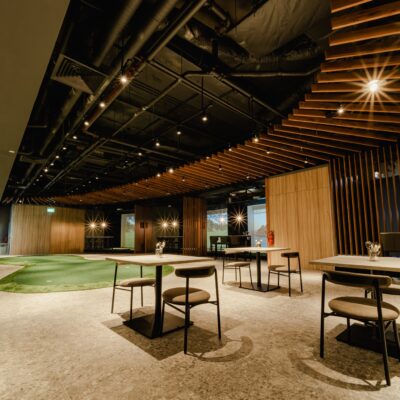
Given land constraints, many are looking to simulators, short-game facilities, or indoor golf centers as more accessible entry points. These allow practice without needing full 18-hole course access.
5. Junior and grassroots pathways are under threat
With fewer on-course venues, youth that develop through school programmes or junior wins may struggle to find real courses to play on. Some club members and commentators warn that junior golf could suffer severely.
One club member was quoted saying the shutdown of courses is “a flagrant disregard for communities and bonds that have been built over time.”
The Future of Golf in Singapore: Paths Forward
So what does the future look like? Is golf being squeezed out, or can it evolve?
Hybrid & multi-use models
One possibility is integrating golf within mixed development — short courses, pitch & putt, or shared green space in residential developments. This lets golf remain part of the urban fabric rather than being a standalone land use.
Greater reliance on simulators & indoor golf
As full courses decline, the indoor/simulator sector will become more important — not just for training, but for introducing new players. Lower cost, flexible scheduling, and year-round access make simulators an attractive option.
Redistribution and consolidation
Courses losing leases may be reallocated to public or union groups (e.g. NTUC) under new models. For example, after SICC Bukit and Keppel Sime expire in 2030, part of their land is being considered for public course use.
Prioritising access in planning
If Singapore is to retain true access to golf, future redevelopment plans must consciously protect some land for public or semi-public golf use. The government has acknowledged this, promising long-term public access in announcements.
Focus on community & short formats
Shorter formats (9 hole, par-3 courses), community golf hubs, or urban driving ranges might become the norm to democratise the game. These require less space and can be more welcoming.
Digital & hybrid engagement
Virtual golf, augmented reality, and online coaching can reduce the dependence on physical space. Coupled with local small footprint venues, these could help sustain interest among new players.
A Balanced Outlook
While Singapore is losing golf land, it’s not necessarily losing golf’s spirit — if the stakeholder ecosystem (government, clubs, developers, associations) works proactively to preserve access, nurture grassroots, and embrace new formats.
New golfers may not find lush fairways in all corners of the island in the future — but if the shift is well managed, they might still find entry through simulators, community hubs, or shorter courses. The challenge is to prevent golf from becoming a relic reserved only for the few.